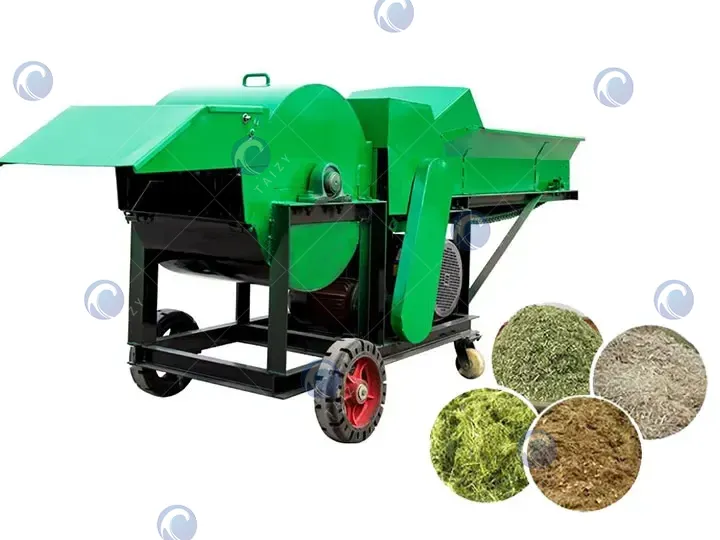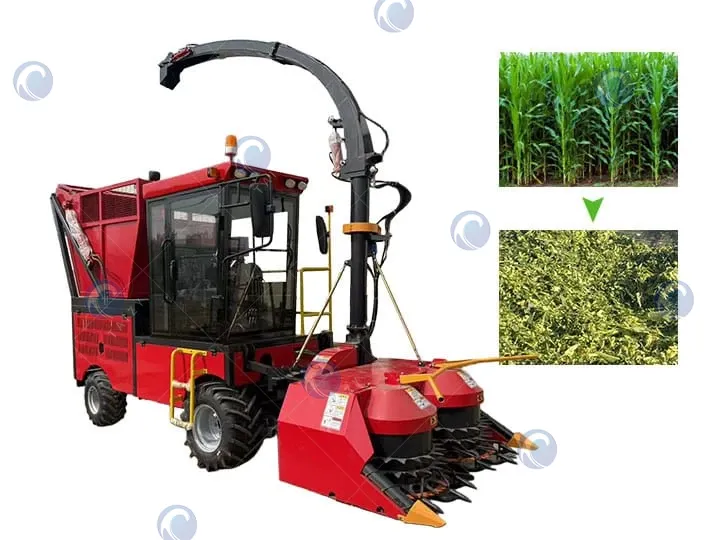
How do chaff chopping machine and silage baler work together for silage?
For livestock farms, the quality of silage directly impacts livestock feed intake and overall profitability. Whether dealing with corn stalks, king grass, or forage crops like alfalfa and ryegrass, improper handling not only complicates storage but can also lead to nutrient loss.
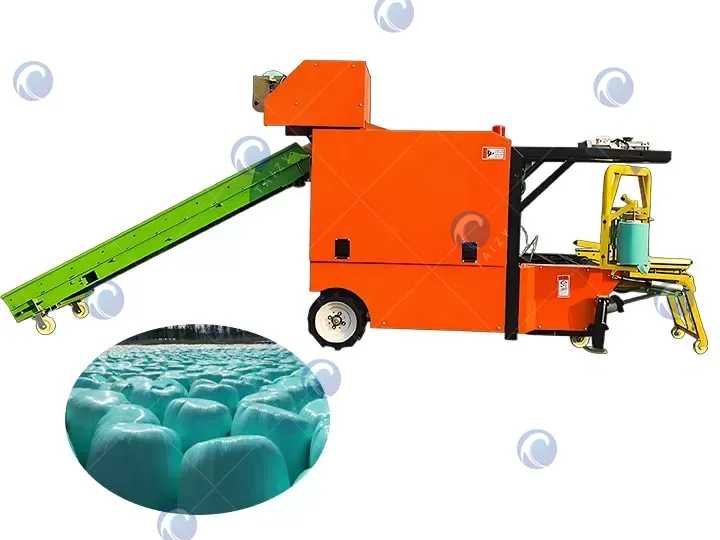
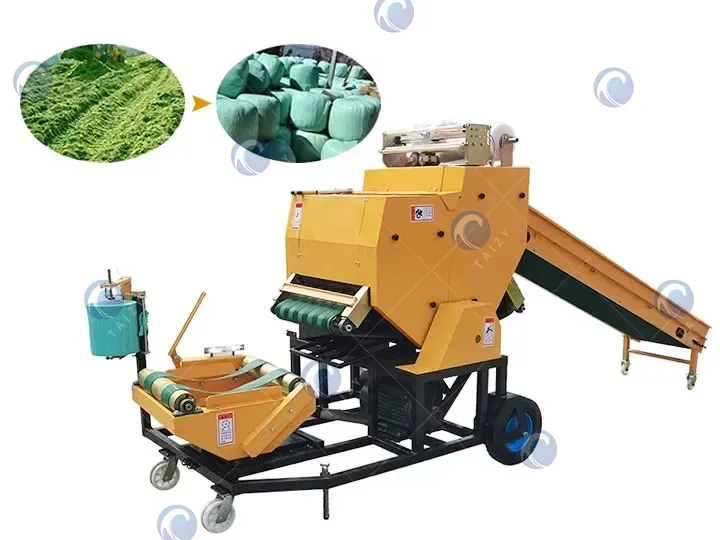
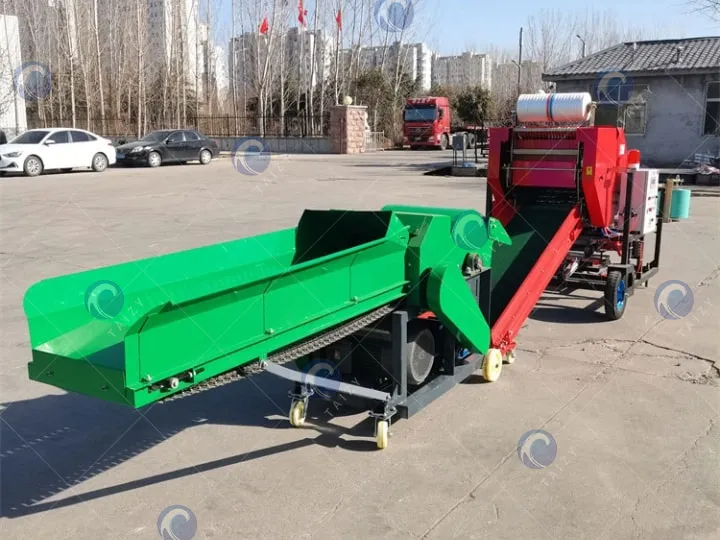
Consequently, more livestock farmers use a chaff chopping machine together with a silage baler. The two machines form a complete silage processing system for chopping, baling, and wrapping. This combination improves working efficiency and helps produce high-quality silage with better preservation.
Why is it necessary to chop straw before baling?
Fresh crop stalks and forage grasses typically have long fibres and high bulk; if baled directly, compaction is limited and internal air pockets easily form, which can hinder subsequent fermentation.
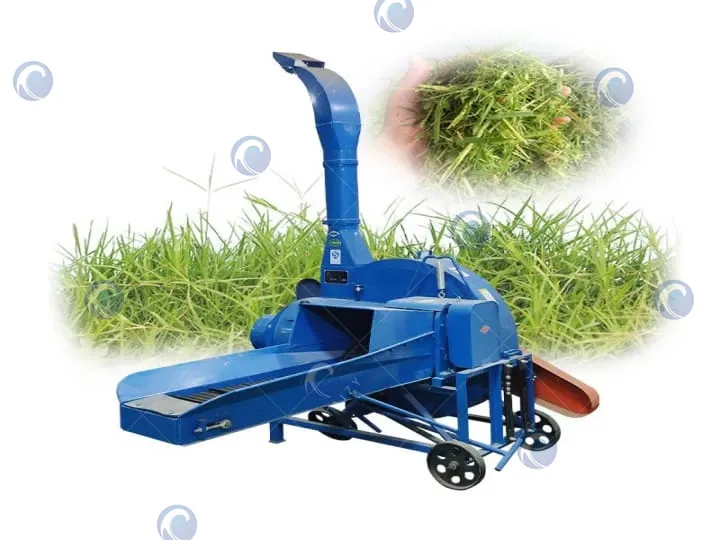
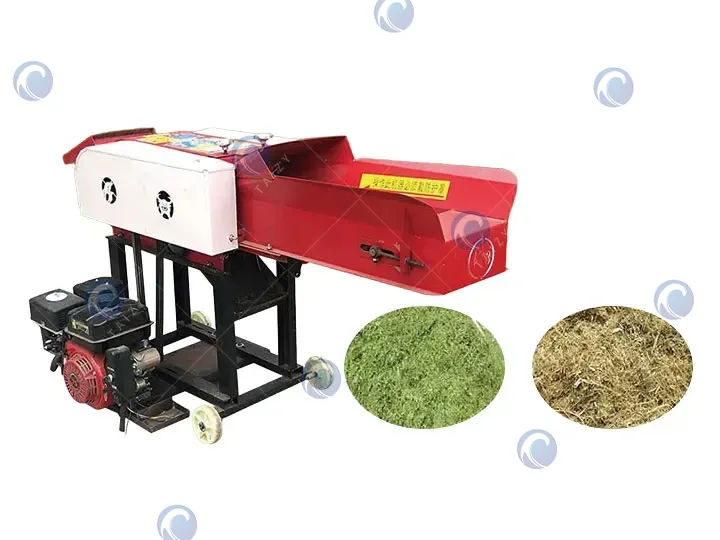
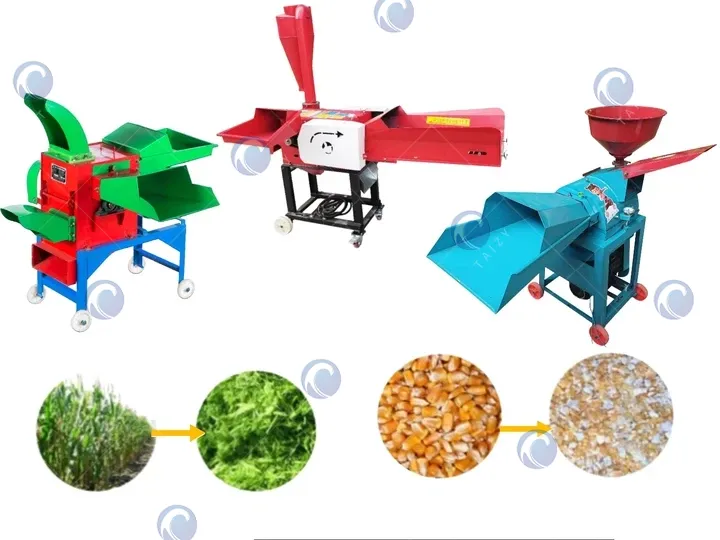
Chopping the raw material with a chaff chopping machine offers the following advantages:
- Reduce material volume and improve loading efficiency
- Increase forage compaction density
- Lower the air content within the bale
- Promote lactic acid bacterial fermentation
- Enhance silage quality and preservation
Therefore, chopping is a crucial pre-treatment step in the silage production process.
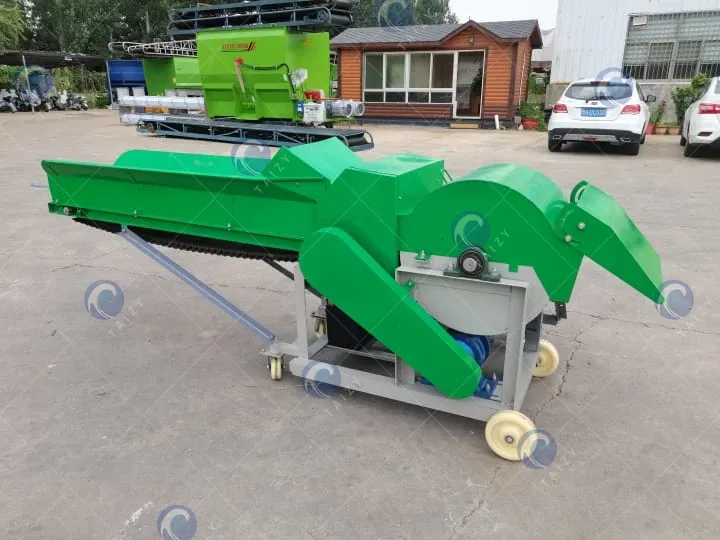
How do chaff chopping machine and silage baler work together?
Step 1: Chopping forage
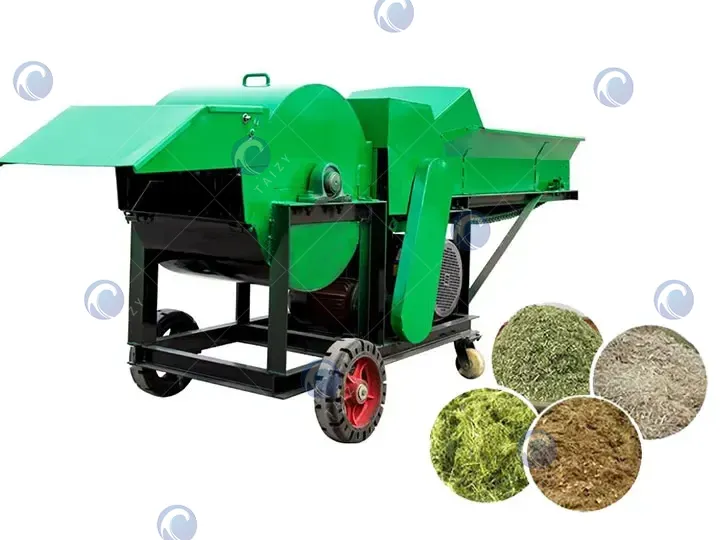
The chaff chopping machine cuts fresh crops into short pieces suitable for silage production. After chopping, the material becomes easier to collect and transport to the baling area.
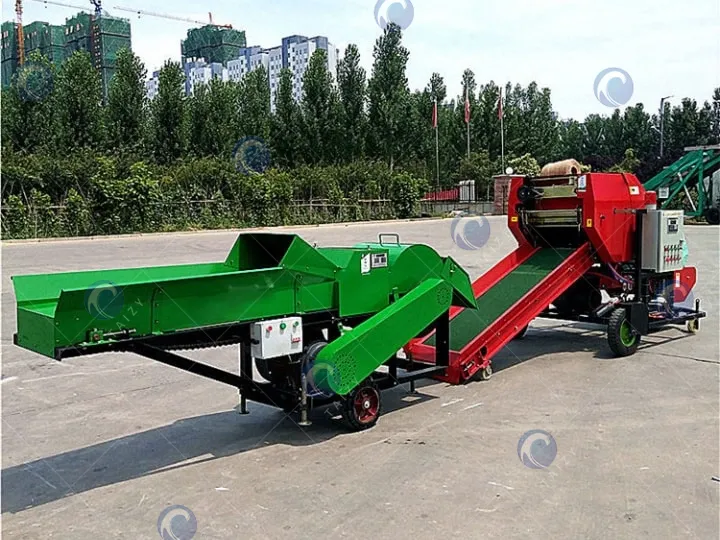
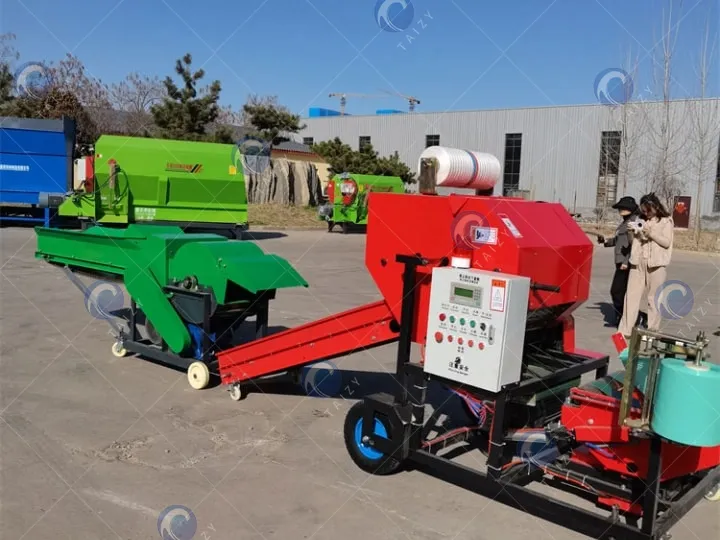
Step 2: Feeding into the silage baling machine
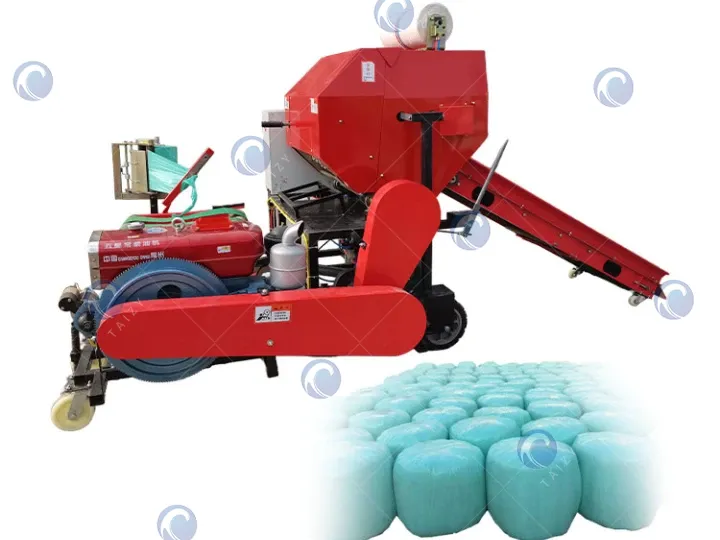
The chopped forage is then transferred into the silage baling and wrapping machine. The machine compresses the material into dense round bales using a mechanical or hydraulic compression system.
Step 3: Wrapping and storage
Once baling is completed, the wrapping system applies multiple layers of stretch film around each bale.
The sealed environment limits oxygen exposure and creates suitable conditions for anaerobic fermentation. Properly wrapped silage can maintain nutritional value for extended storage periods while reducing spoilage losses.
What types of forage can be processed?
The машина для резки сена и silage baler combination can be used for a wide range of materials, including:
- Corn stalks
- Sorghum
- Napier grass
- Elephant grass
- Alfalfa
- Ryegrass
- Oat forage
- Wheat straw
- Rice straw
- Various pasture grasses
This flexibility makes the solution suitable for dairy farms, beef cattle operations, sheep farms, goat farms, and forage processing businesses.
What advantages does the combined Solution provide?
Compared with using a baler alone, adding a chaff chopping machine to the process can bring several operational improvements.
- Higher baling efficiency: Uniform chopped material flows more smoothly into the baler, reducing feeding interruptions and improving overall productivity.
- Better silage density: Smaller forage particles can be compacted more effectively, producing tighter bales with less trapped air.
- Improved fermentation quality: Well-compacted and properly wrapped silage creates a more stable fermentation environment, helping preserve nutrients and feed quality.
- Easier transportation and storage: Dense and uniformly shaped bales are easier to stack, transport, and manage throughout the storage period.
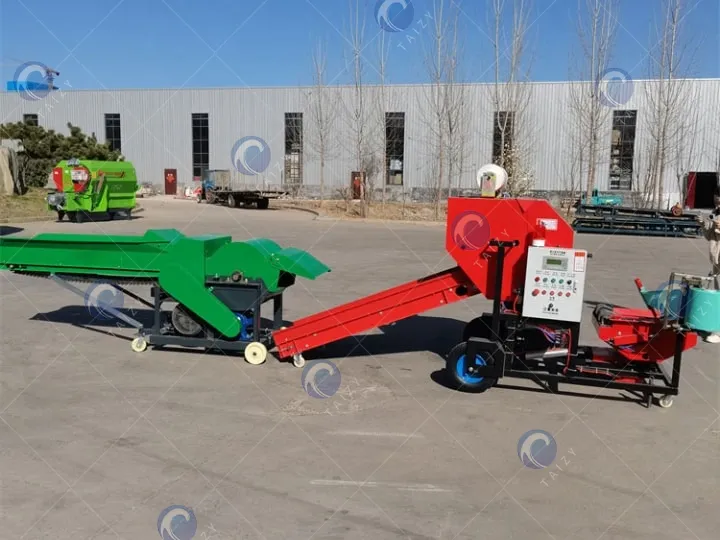
A practical solution for modern silage production
For livestock farms requiring large-scale silage storage, this combined solution not only boosts production efficiency but also ensures more consistent silage quality.
Taizy offers chaff chopping machines, silage baling machines, and comprehensive silage solutions tailored to specific raw materials, farm scales, and output requirements. Please contact us for detailed equipment specifications and solution recommendations.