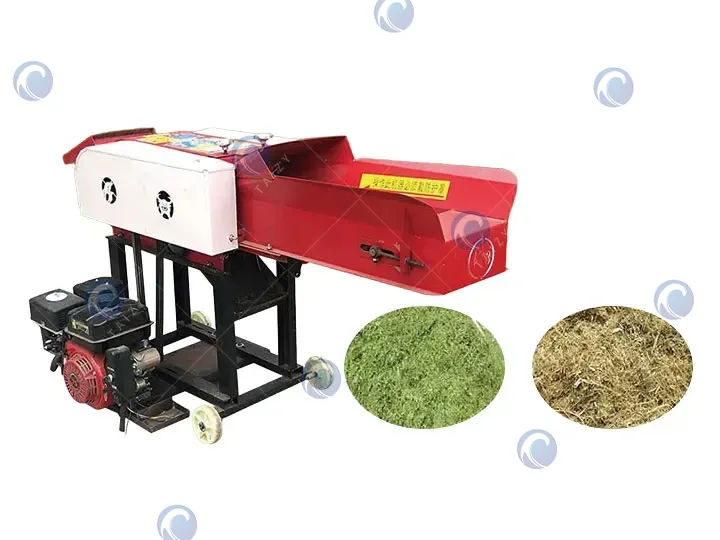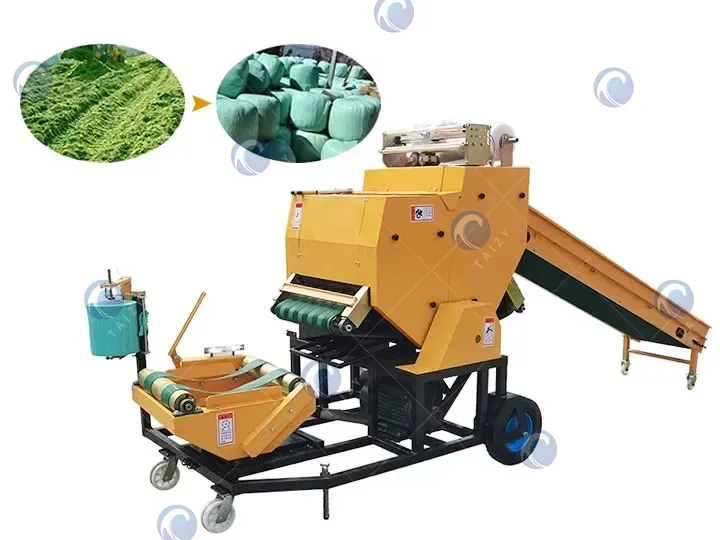
How does a forage chopper improve cattle feed preparation?
Preparing forage for cattle can take considerable time when grass, corn stalks, straw, and other roughage are handled manually. Long and uneven materials are also more difficult to mix and distribute. A forage chopper provides a practical way to turn these materials into shorter, more manageable pieces before feeding.
But how exactly does a chaff cutter improve cattle feed preparation? The main difference comes from cutting consistency, processing speed, and easier feed handling.
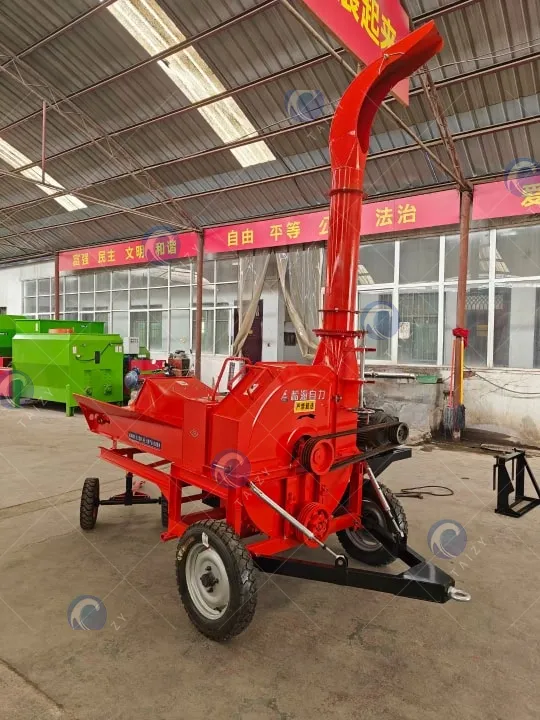
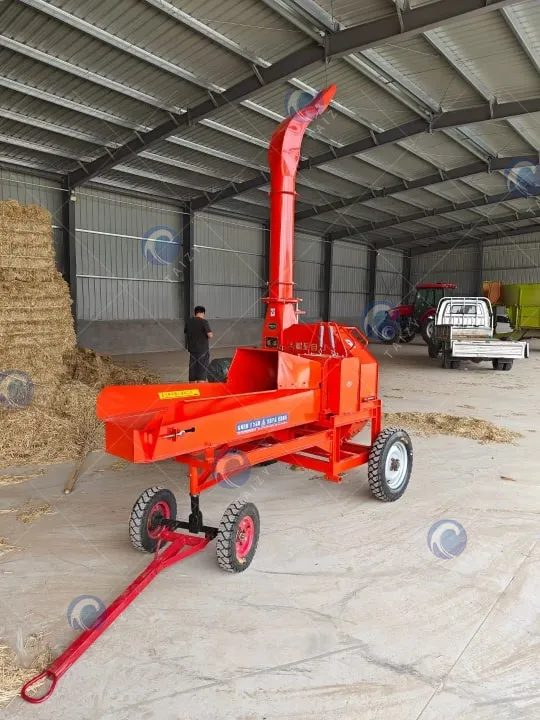
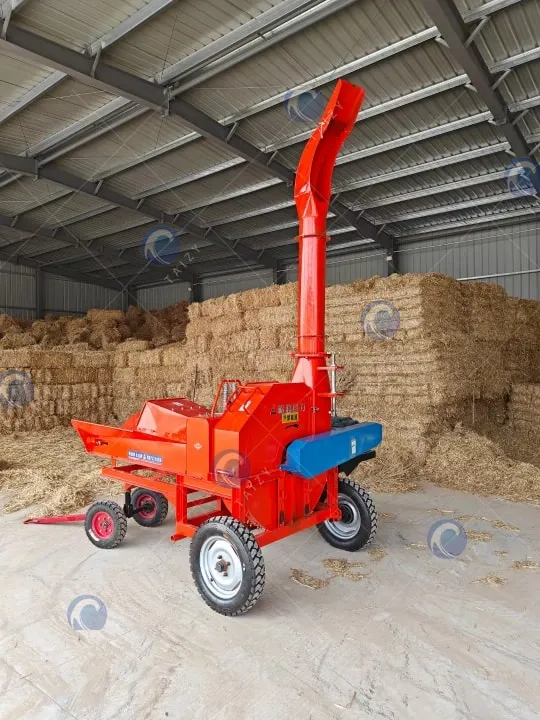
More consistent forage size
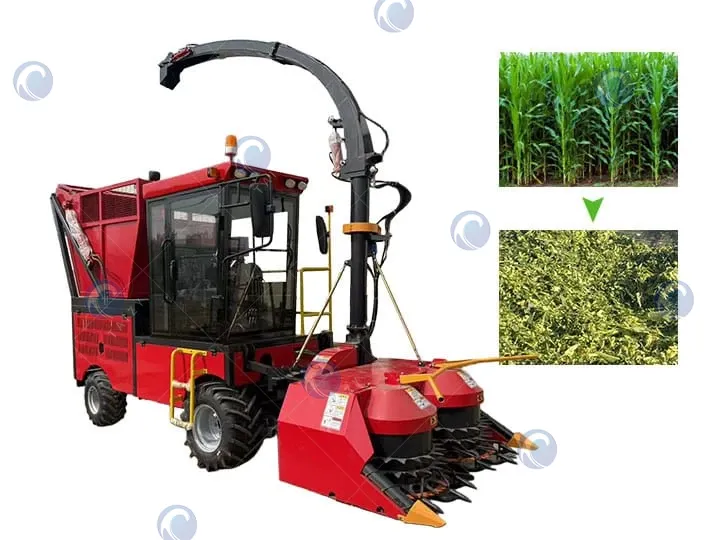
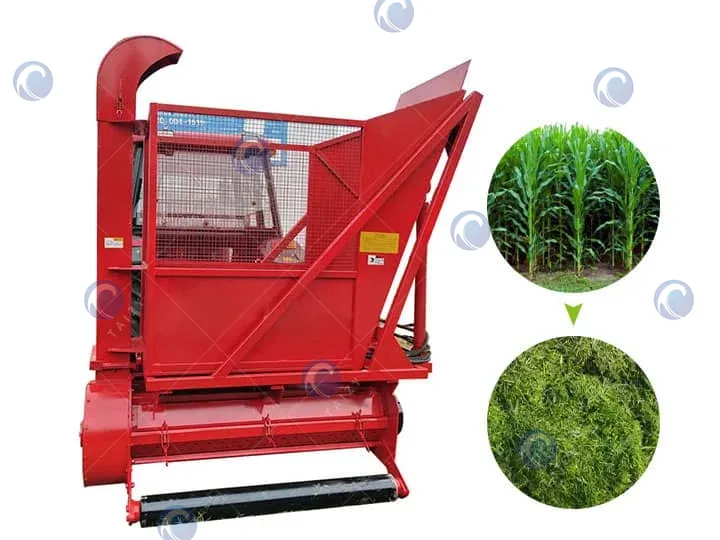
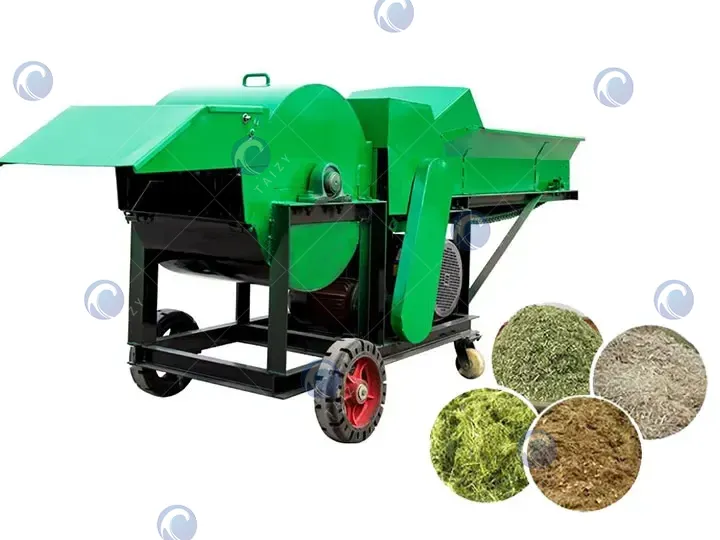
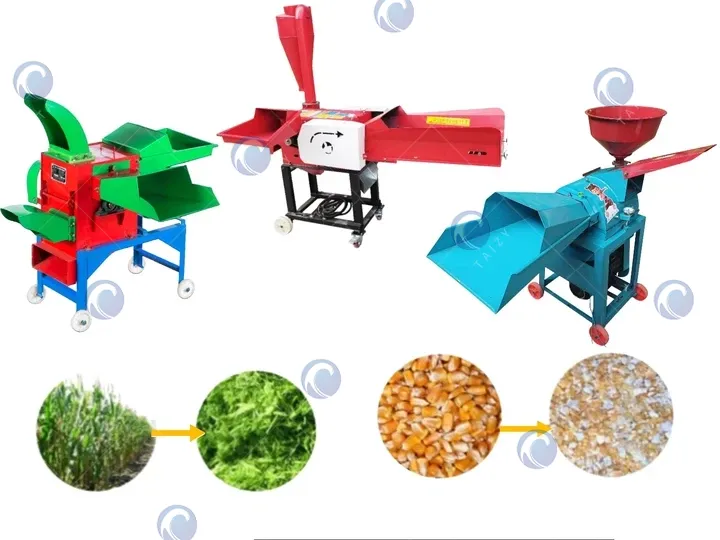
Long grass and crop residues are not always easy for cattle to consume efficiently. A forage chopper machine cuts forage into shorter pieces, producing a more uniform feed size.
More consistent pieces also make the next preparation step easier, especially when chopped forage needs to be mixed with other feed ingredients.
Faster preparation of large amounts of forage
Manual cutting becomes increasingly difficult as the amount of feed increases. The forage chopper can process continuous amounts of forage much faster than hand cutting.
This is particularly useful for cattle farms that need to prepare feed every day. Instead of spending a large amount of time cutting roughage manually, operators can process the required amount in a shorter working period.
The actual capacity depends on the machine model, material type, moisture content, and cutting size.
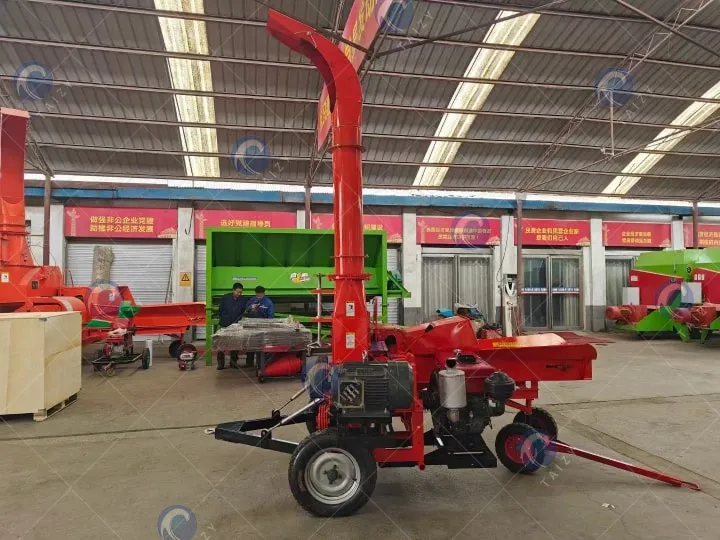
Easier mixing with other feed
Chopped forage is generally easier to combine with other feed ingredients than long stalks or grass.
For example, chopped corn stalks or grass can be mixed with concentrates, silage, or other roughage to create a more uniform feed mixture. Smaller pieces can also help reduce separation during handling and feeding.
For farms preparing mixed rations, the forage chopper machine can therefore become an important step before the mixing process.
Suitable for different forage materials
A chaff chopping machine is not limited to fresh grass. Depending on the machine design, it can process different types of forage and crop residues, including:
- Fresh grass
- Dry grass
- Corn stalks
- Wheat straw
- Rice straw
- Other suitable crop residues
Different materials have different moisture levels and hardness, so the actual processing performance depends on the machine configuration and material condition.
What should farmers consider before buying chaff cutter?
The right chaff cutting machine should match the farm’s actual feeding requirements rather than simply choosing the largest capacity available.
Important factors include:
- Processing capacity: The hourly output should be sufficient for the amount of forage required each day.
- Cutting size: Different cattle feed preparation methods may require different forage lengths.
- Power supply: Electric models should match the available voltage and power conditions at the farm.
- Choosing the forage chopper machine according to these factors can help avoid buying equipment that is either too small for the workload or unnecessarily large for the farm.
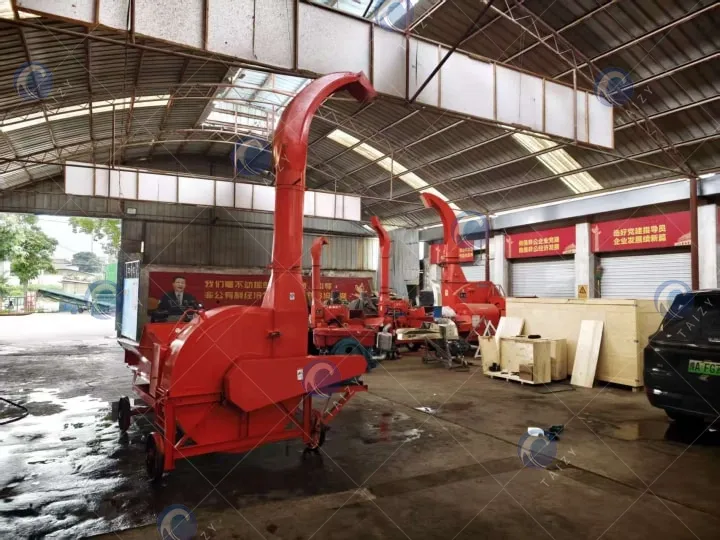
From manual cutting to more efficient feed preparation
A forage chopper machine does not replace the entire cattle feeding process. Its role is more specific: it makes roughage easier and faster to prepare before feeding or further mixing.
For cattle farms handling grass, corn stalks, straw, or other forage on a regular basis, mechanized cutting can reduce preparation time while providing more consistent material size. When combined with suitable mixing and feeding practices, it can make the overall feed preparation process more organized and manageable.