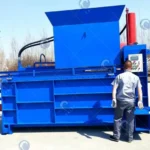
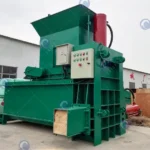
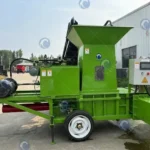
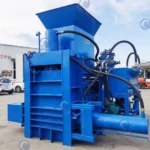
Hydraulic silage baler machine
| 모델 | 9YK-70, 9YK-7A |
| Number of hydraulic cylinders | 2/3 |
| 용량 | 90-180 bales/h |
| Bale shape | Square |
| 벨트 크기 | 700 × 400 × 300 mm |
| 벨트 밀도 | 600–1100 kg/m³ |
| Hydraulic pressure | 18 Mpa |
이제 기술적인 세부 사항에 대해 프로젝트 관리자에게 문의하실 수 있습니다.
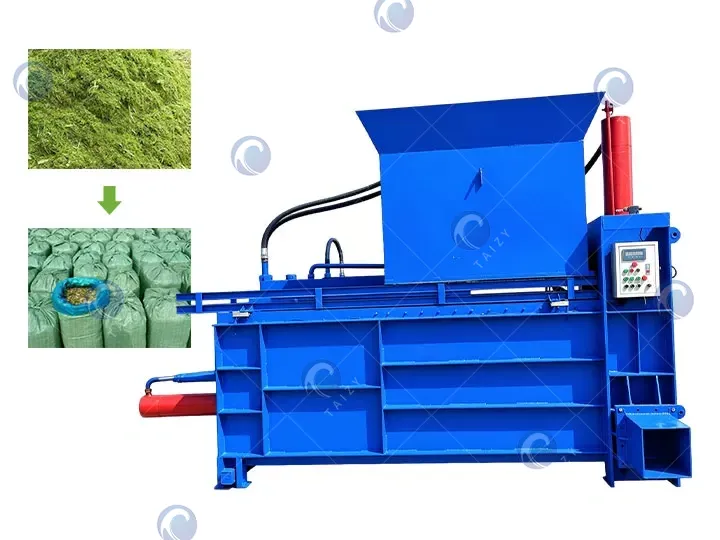
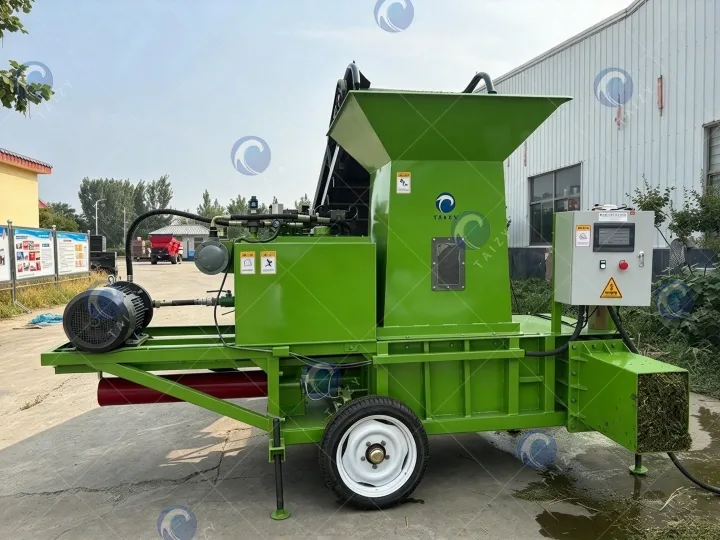
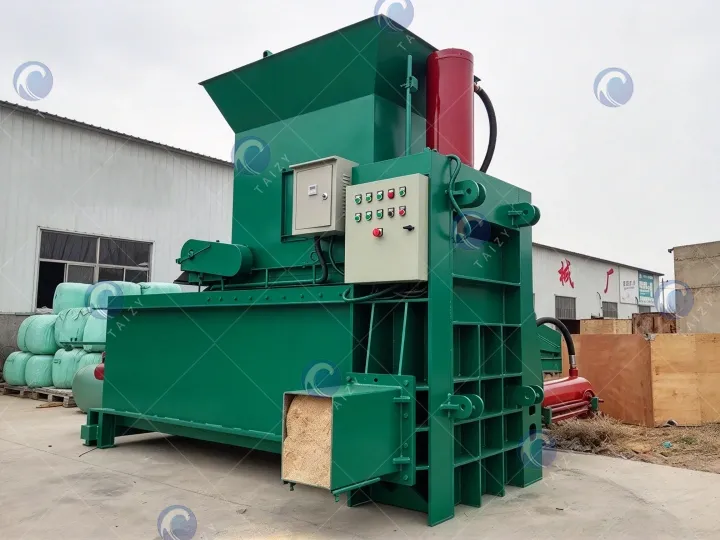
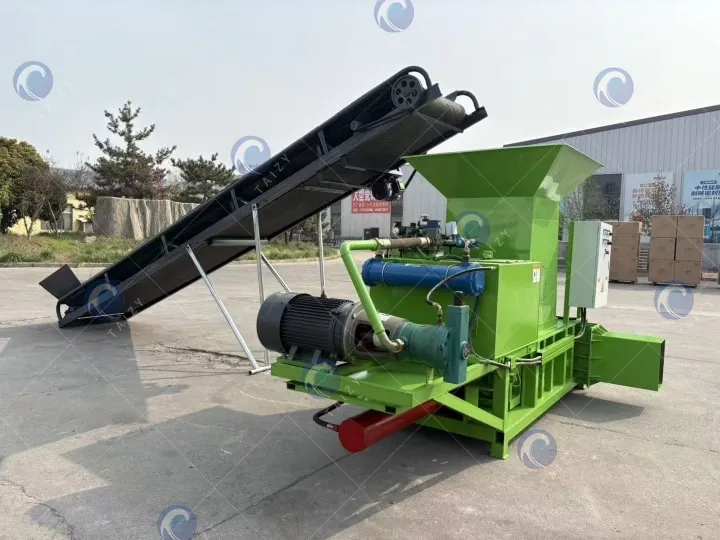
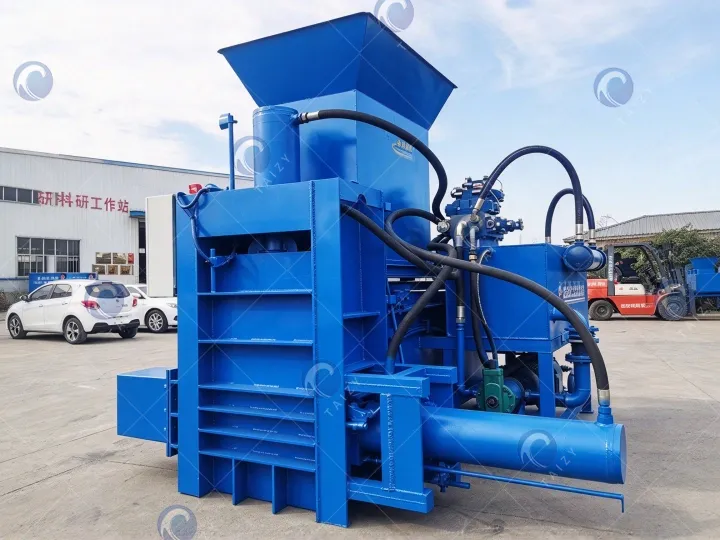
그만큼 hydraulic silage baler machine compresses chopped silage, straw, stalks, and forage into compact rectangular bales and packs them in bags for storage, transportation, and sale. In addition to baling silage, our hydraulic balers can also be used for crop stalks, garlic stems, and sawdust.
Taizy offers two models of hydraulic square silage balers: the 9YK-70 with 2 hydraulic cylinders and the 9YK-7A with 3 hydraulic cylinders. Both produce bales measuring 700 × 400 × 300 mm, but they differ in bale density, packing capacity, installed power, and machine size.
Taizy hydraulic baler machine has a processing capacity of 90–180 bales per hour; it is suitable for farms, livestock feed suppliers, silage processing enterprises, and other agricultural operations that require more efficient handling of chopped plant materials.
Why choose Taizy hydraulic square hay baler?
- Taizy hydraulic silage baler machine operates at a hydraulic pressure of 18 MPa, compressing loose silage, chopped straw, corn stalks, and grass into compact rectangular bales. The 9YK-70 has a specified bale density of 600–800 kg/m³, while the 9YK-7A reaches 800–1100 kg/m³. Compact bales are easier to stack, handle, and transport than loose materials.
- The 9YK-70 has a stated packing capacity of 90–120 bags per hour, while the 9YK-7A can process 150–180 bags per hour under suitable operating conditions. Customers can select a model according to their production targets, helping reduce the time required for routine silage baling operations.
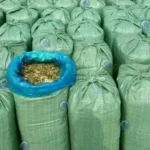
- The finished bales use two layers of packaging: an inner PE film bag and an outer PP woven bag. This packaging structure helps contain the compressed material and makes the bales more convenient to handle, store, and transport.
- Our hydraulic hay baler can process suitable chopped corn stalks, silage, grass, straw, and other forage materials. This versatility allows farms and feed processing businesses to use locally available agricultural materials for baling.
Learn how hydraulic balers are used to bale silage
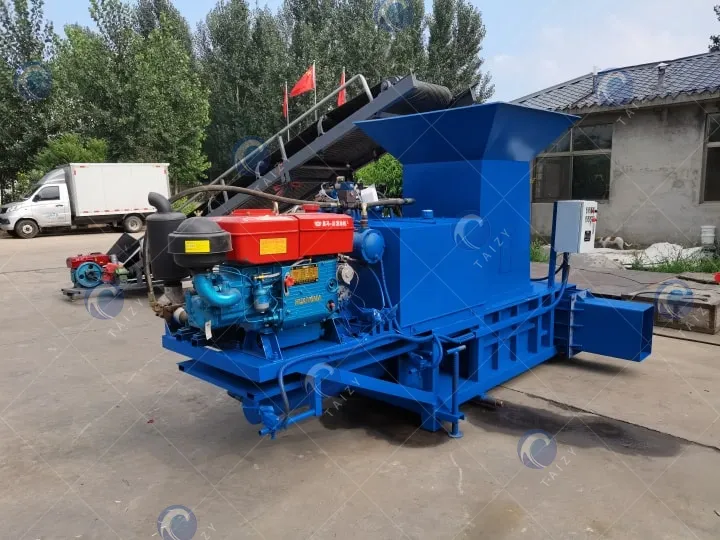
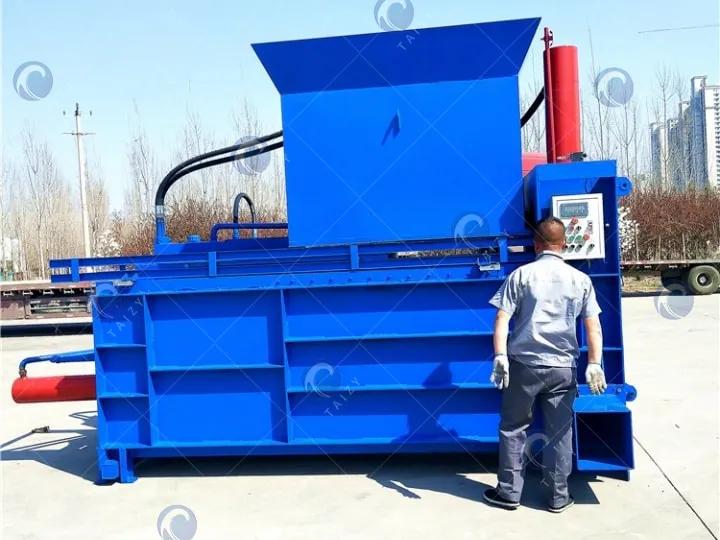
The hydraulic baling machine works by using hydraulic pressure to compress chopped silage, corn stalks, straw, and grass into compact rectangular bales.
First, the prepared raw materials are fed into the compression chamber. The hydraulic cylinders then drive the pressing mechanism to apply pressure, reducing the material’s volume and forming bales measuring 700 × 400 × 300 mm.
The compressed material is packed into an inner polyethylene (PE) film bag and an outer polypropylene (PP) woven bag to facilitate handling, storage, and transport.
Applicable materials and finished products
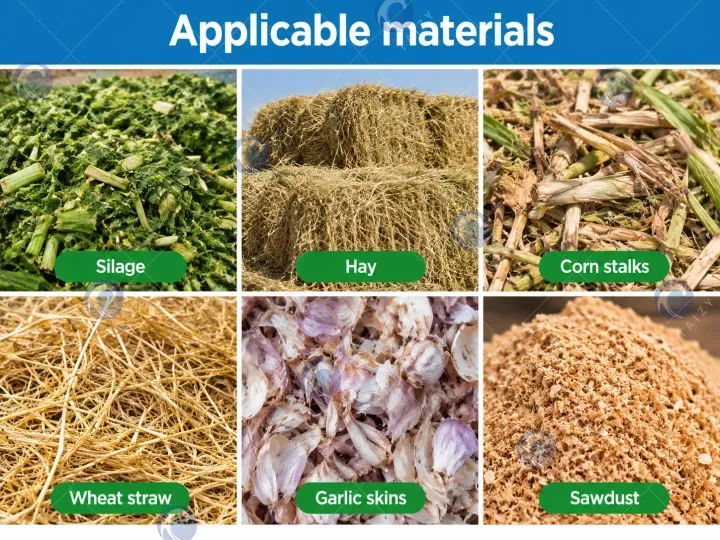
The hydraulic silage baler machine can handle a variety of agricultural materials, making it suitable for farms, livestock feed suppliers, and biomass processing businesses.
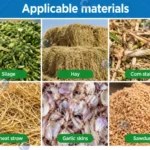
Applicable materials include:
- Crop straw: Corn stalks, wheat straw, rice straw, barley straw, and soybean stalks.
- Forage and feed materials: Fresh grass, hay, alfalfa, silage, and peanut vines.
- Other agricultural residues: Sugarcane leaves, cotton stalks, sorghum stalks, and garlic skins.
- Biomass materials: Sawdust and other suitable plant-based residues.
Before baling, materials should be chopped or prepared to a suitable size for feeding and compression.
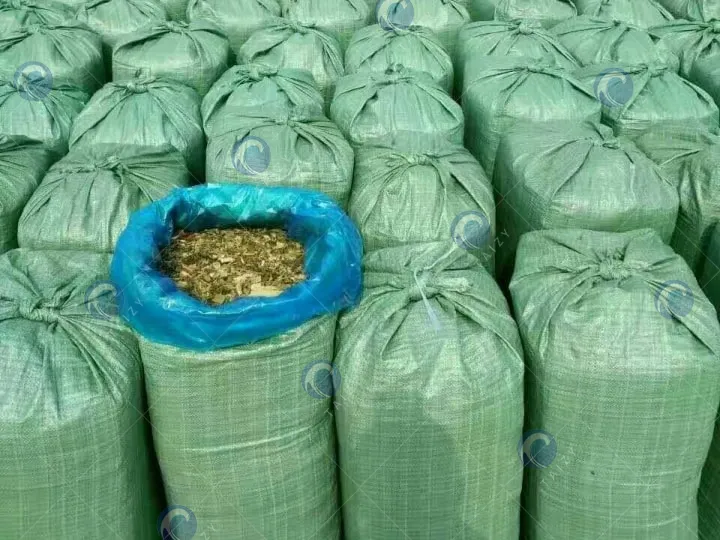
Finished products: The machine compresses the prepared materials into rectangular bales measuring 700 × 400 × 300 mm. Each bale can be packed in an inner PE film bag and an outer PP woven bag.
What are the benefits of bagged silage bales?
1. Reduce storage and transportation space
The hydraulic silage baler compresses loose forage into 700 × 400 × 300 mm rectangular bales, reducing storage space requirements by up to 35%. The compact bales are easier to stack, load, and transport, helping reduce handling difficulties and improve storage efficiency.
2. Increase packing efficiency
The 9YK-70 processes approximately 90–120 bags per hour, while the 9YK-7A reaches 150–180 bags per hour. The hydraulic corn straw baler offers up to 50% higher stated packing capacity.
3. Convenient packaging and feed storage
Each bale can be packed in an inner PE film bag and an outer PP woven bag. This double-layer packaging helps contain the material and simplifies handling, stacking, and transportation.
Technical parameters of hydraulic silage baler machine
| 매개변수 | 9YK-70 | 9YK-7A |
|---|---|---|
| 기계 유형 | Two-cylinder hydraulic silage baler | Three-cylinder hydraulic silage baler |
| 힘 | 15 kW electric motor or 28 HP diesel engine | 22 kW |
| Number of hydraulic cylinders | 2 | 3 |
| Hydraulic pressure | 18 MPa | 18 MPa |
| Hydraulic oil | No. 46 hydraulic oil | No. 46 hydraulic oil |
| Bale dimensions | 700 × 400 × 300 mm | 700 × 400 × 300 mm |
| 벨트 밀도 | 600–800 kg/m³ | 800–1100 kg/m³ |
| Dry straw bale weight | 30–40 kg/bale | 30–40 kg/bale |
| Fresh straw bale weight | 65–75 kg/bale | 65–75 kg/bale |
| Packing capacity | 90–120 bags/h | 150–180 bags/h |
| 기계 무게 | 1,500 kg | 3,100 kg |
| Overall dimensions | 3400 × 2500 × 2900 mm | 4150 × 2600 × 3400 mm |
Note: The packing capacities and bale weights are supplied specifications. Actual output and bale weight can vary with material type, moisture content, feeding conditions, and operating practices.
How to choose between the two models?
The main differences between the 9YK-70 and 9YK-7A are their cylinder configurations, packing capacities, bale density ranges, power requirements, and overall dimensions.
Choose the 9YK-70 two-cylinder model if you need:
- A stated packing capacity of 90–120 bags per hour
- A lower machine weight
- Bale density within the specified range of 600–800 kg/m³
Choose the 9YK-7A three-cylinder model if you need:
- A stated packing capacity of 150–180 bags per hour
- A higher specified bale density
- A machine suitable for a higher-volume silage packing operation
Before making a decision, consider your daily processing target, available power supply, raw material characteristics, installation space, and transportation arrangements.
Auxiliary equipment for a hydraulic silage baling machine
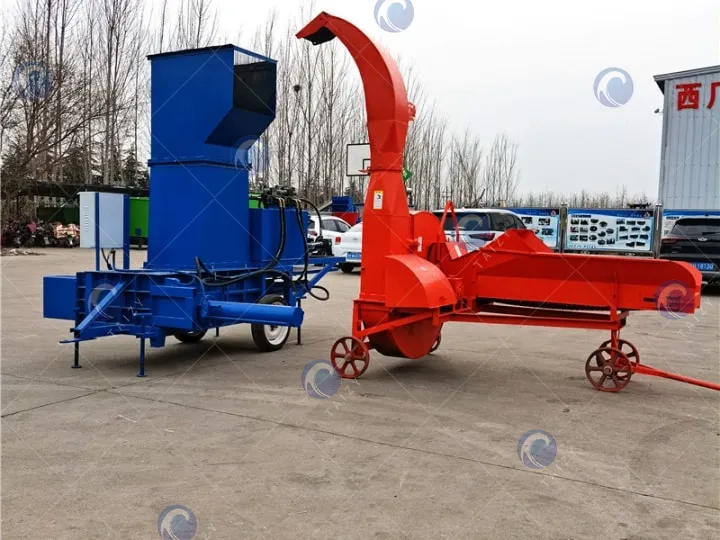
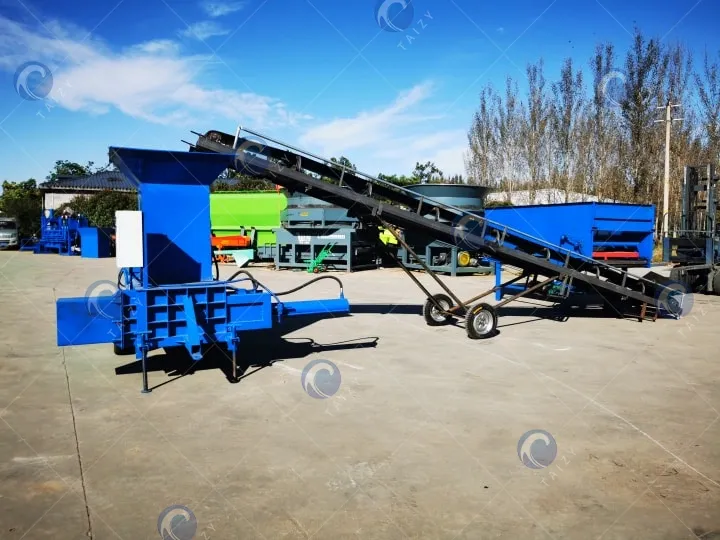
A hydraulic silage baler machine can be used as a standalone machine with prepared raw materials or integrated into a more complete processing setup.
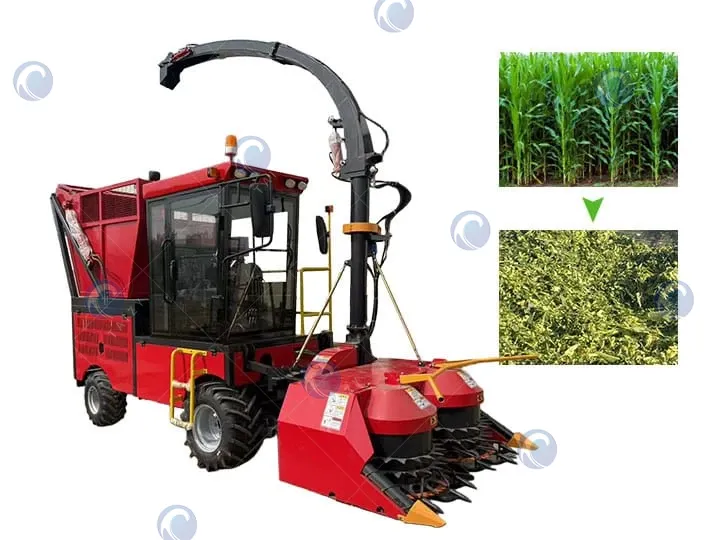
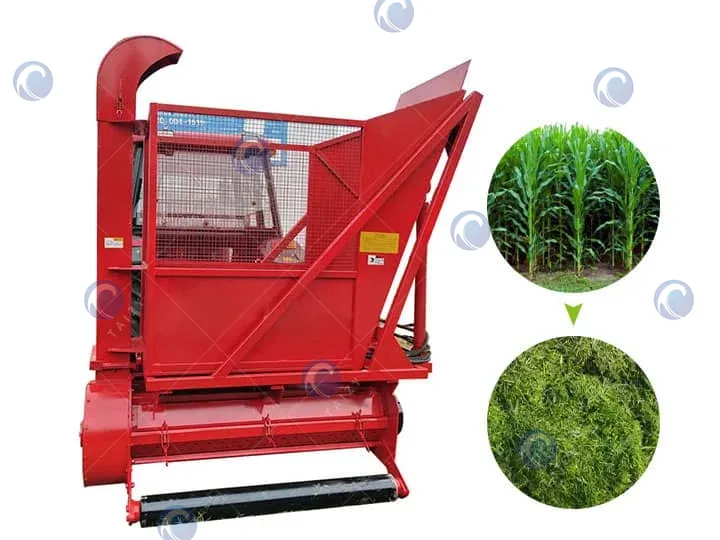
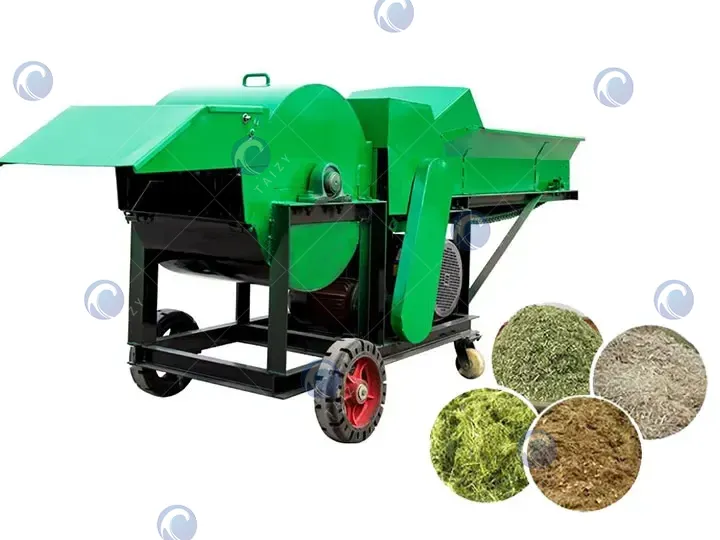
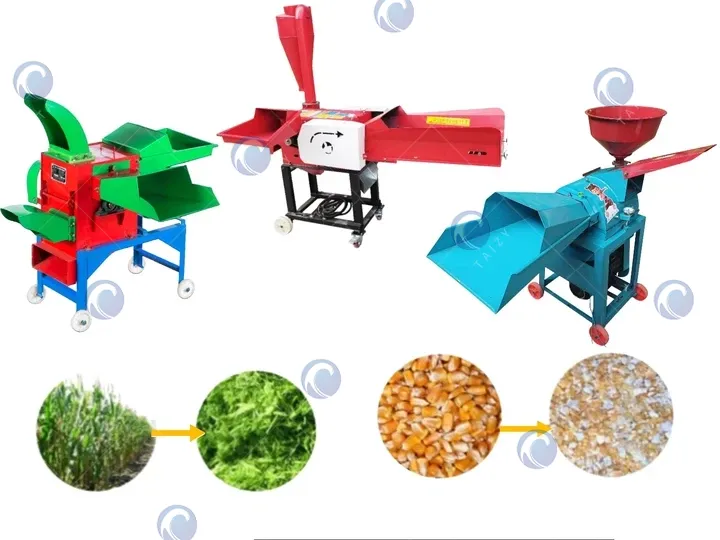
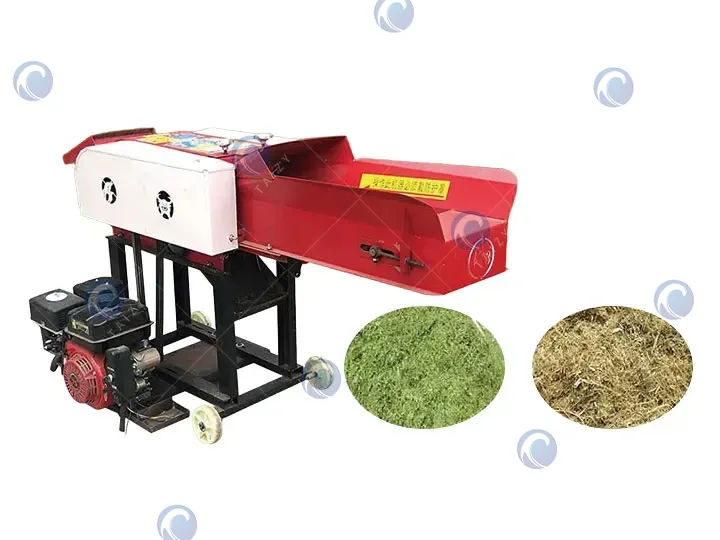
- Chaff cutter: Cuts corn stalks, grass, and straw into manageable lengths before compression. Consistent chopping helps improve feeding and baling conditions.
- Hopper and conveyors: These transport the shredded material to the baler, reducing the need for manual handling. The specifications and feed layout of the conveyors should be aligned with the overall installation plan.
For clients requiring a more complete silage processing solution, Taizy can assist in planning the selection and layout of auxiliary equipment, tailored to specific raw materials, target production capacity, and available facility space.
What services can you get from Taizy?
Taizy provides practical support from your first inquiry to daily machine operation.
- Professional consultation: Get answers to your questions and advice tailored to your processing needs.
- 맞춤형 솔루션: Receive equipment recommendations and matching auxiliary equipment based on your requirements.
- Pre-shipment testing: Check machine operation through testing videos and photos before shipment.
- Export and delivery support: We arrange export packaging and keep you updated on shipping progress.
- Operation guidance: Receive instructions on installation, operation, and routine maintenance.
- After-sales support: Get remote technical assistance and spare parts support when needed.
From selecting the right solution to operating your equipment, Taizy is here to help you move forward with greater confidence.
지금 바로 문의하세요!
Need help choosing a hydraulic silage baler machine for your business? Contact Taizy today. Our team will recommend a suitable solution and provide details on machine specifications, optional accessories, and shipping arrangements.