How do farmers use silage pasture baler machine for livestock feeding?
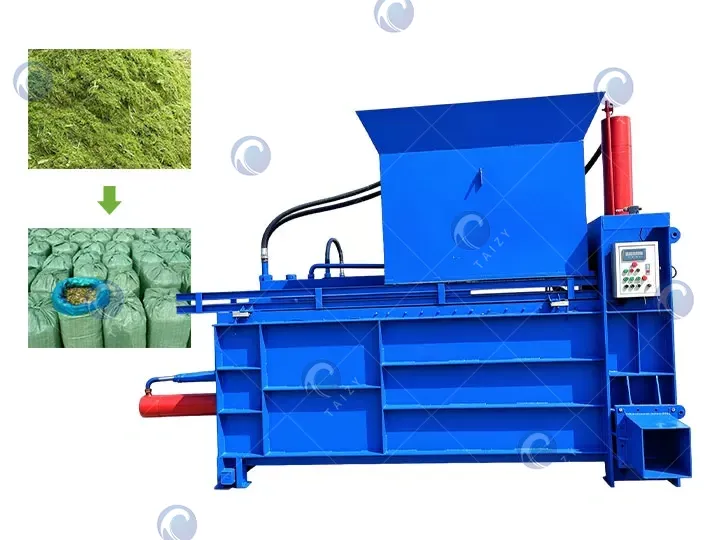
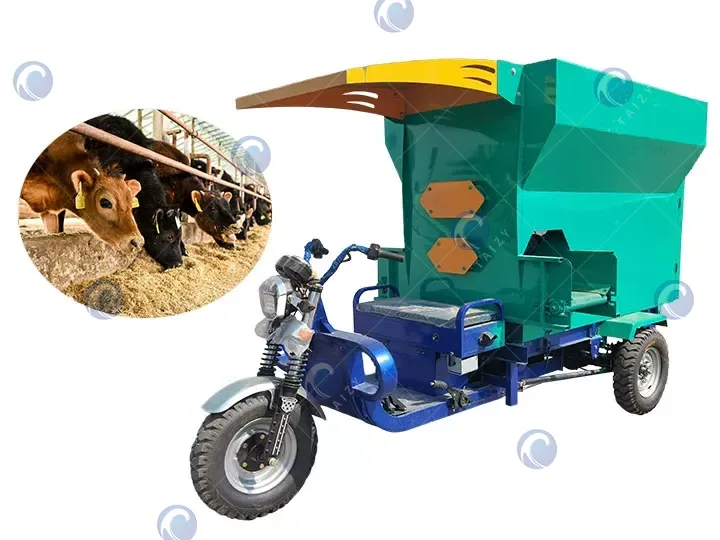
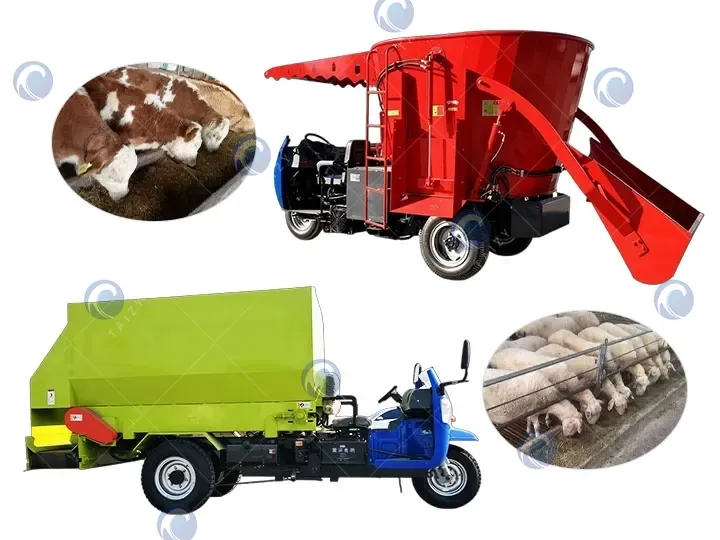
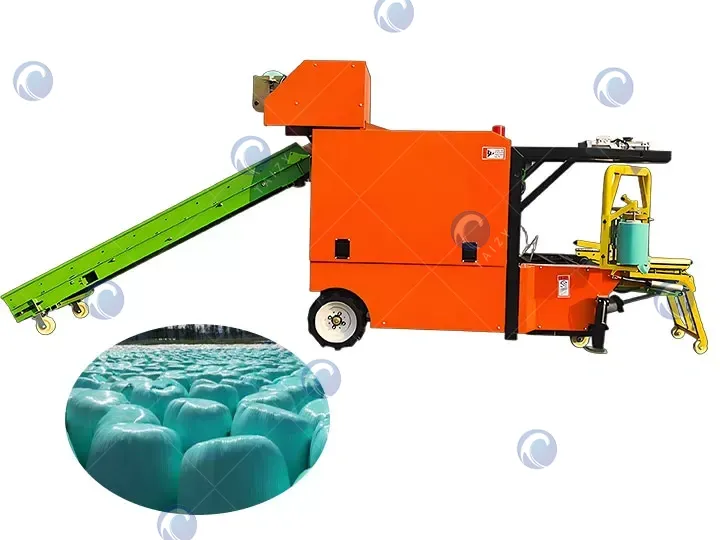
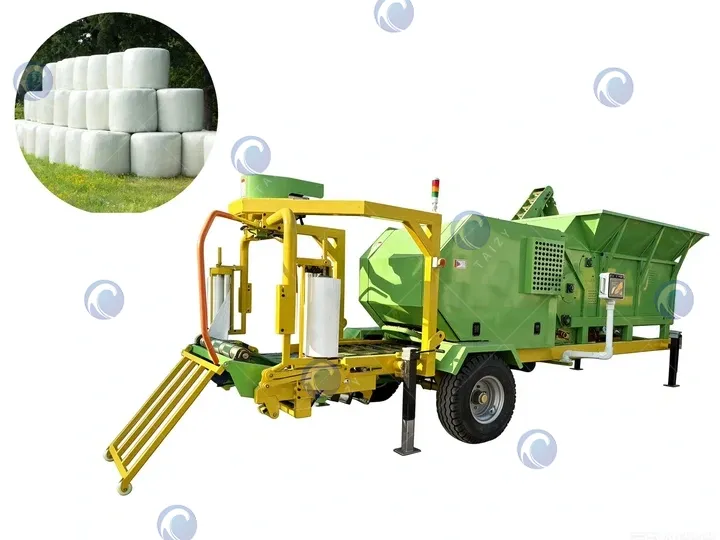
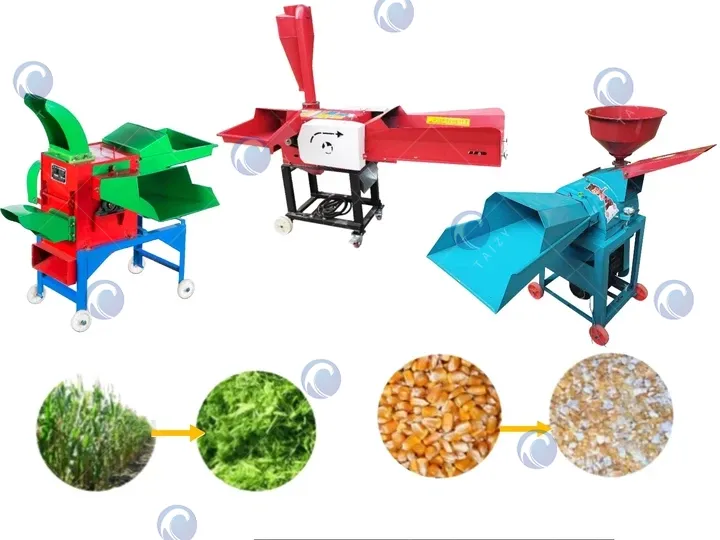
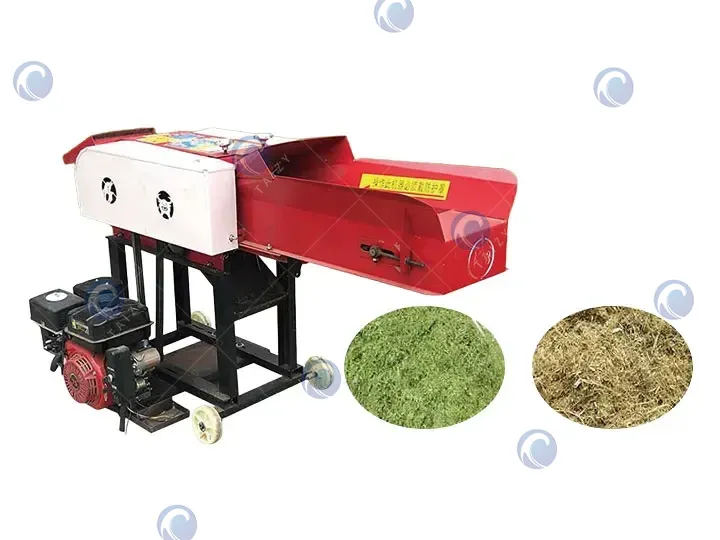
The silage pasture baler machine provides farmers with a convenient way to store fermented forage and supply feed to livestock throughout the year. By compressing chopped grass or corn stalks into bales and wrapping them with plastic film, farmers can preserve forage for later use, especially when fresh pasture is limited.


What materials can farmers turn into silage bales?
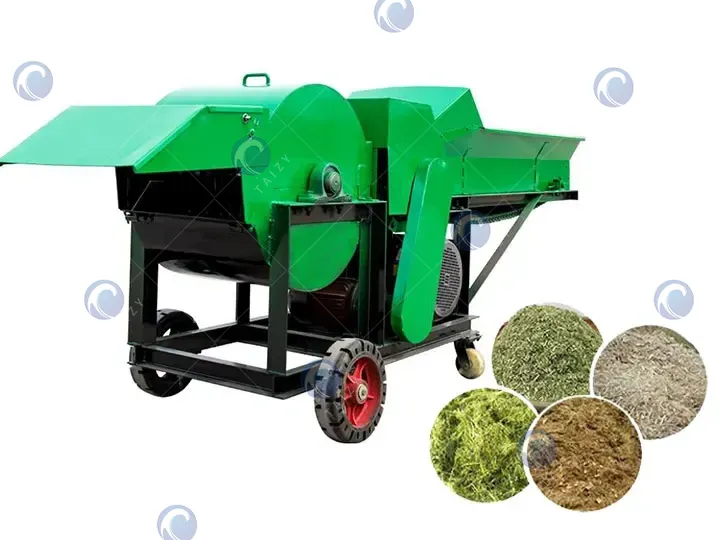
he type of forage used depends on local crops, livestock requirements, and harvesting conditions. A silage pasture baler machine can process suitable chopped materials such as:
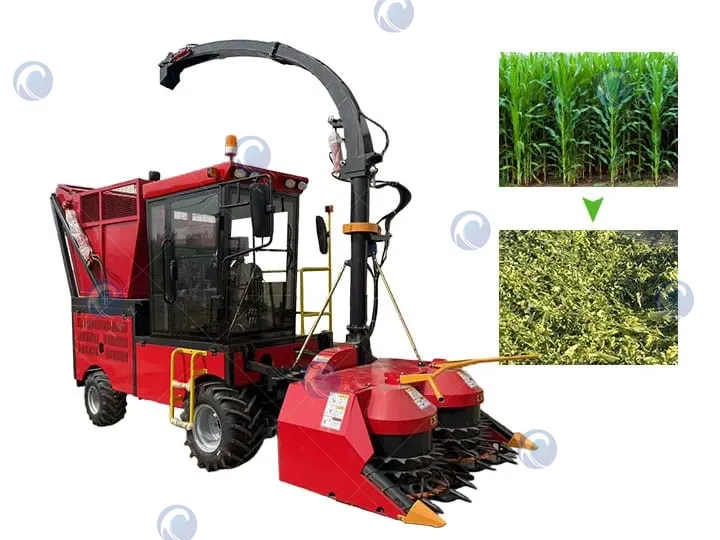
- Corn stalks and whole-plant corn: Commonly used for cattle feed because corn silage can provide energy and fiber.
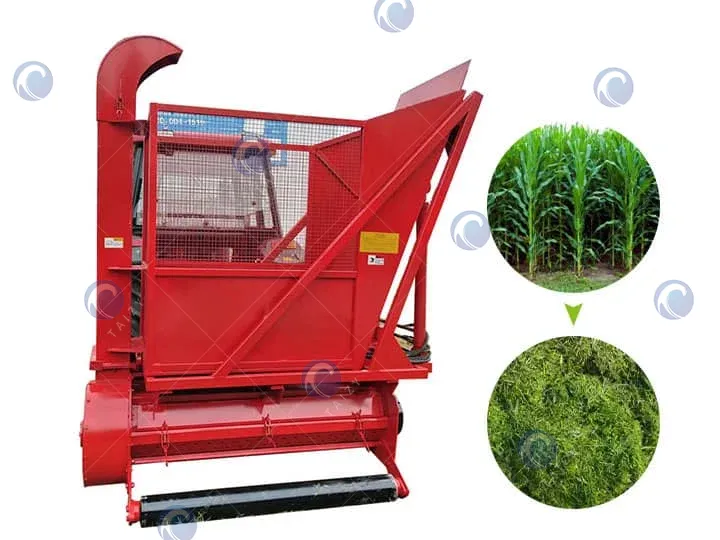
- Fresh grass: Suitable for grass silage production, providing forage for cattle, sheep, and goats.
- Alfalfa and other forage crops: Can be ensiled when harvested and managed under appropriate conditions.
- Other suitable green fodder: Certain forage crops can also be baled and wrapped, provided their moisture content and particle size are suitable for the machine and fermentation process.
Before baling, farmers should prepare the material according to the machine’s requirements. Excessively dry or wet forage can affect bale formation, wrapping quality, and silage preservation.
Why do farmers use a silage pasture baler machine?
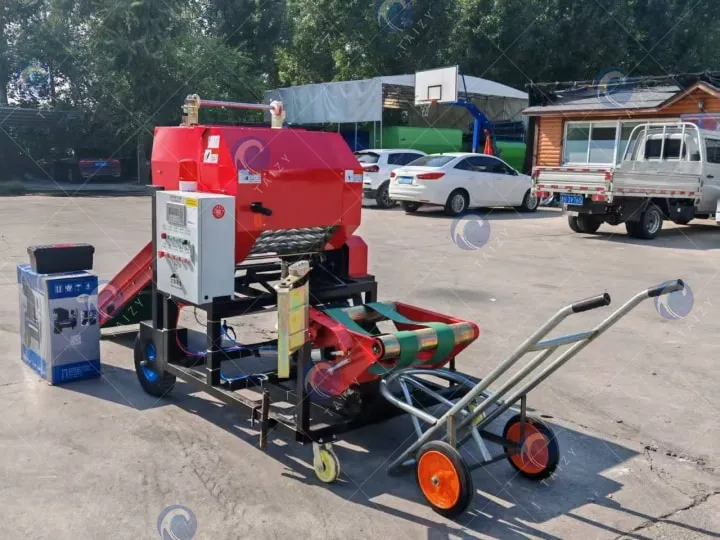
A silage baling and wrapping machine helps farmers prepare forage for storage and subsequent feeding. It compresses chopped forage into compact bales and wraps them with plastic film, helping limit air exposure and support proper fermentation when the forage moisture and sealing conditions are suitable.
How does proper baling and wrapping affect silage quality?
A suitable silage pasture baler machine helps form compact bales and apply wrapping film consistently, but equipment alone does not guarantee good silage. Forage maturity, moisture content, chopping length, compression, film integrity, and storage conditions all affect the final result.
Farmers should inspect wrapped bales regularly and repair damaged film promptly. Bales should be stored on a suitable surface away from sharp objects that could puncture the wrapping. Once opened, silage should be used promptly, and moldy or spoiled material should not be fed to livestock.
Get a silage baling and wrapping solution for your farm!
Whether you process corn stalks, grass, or other suitable forage, the right silage pasture baler machine can help streamline bale preparation and storage.
Contact us with your raw materials, expected hourly output, and available power supply. Our team can help you compare configurations and select equipment suited to your farm’s feeding and storage needs.